July 2 & 9

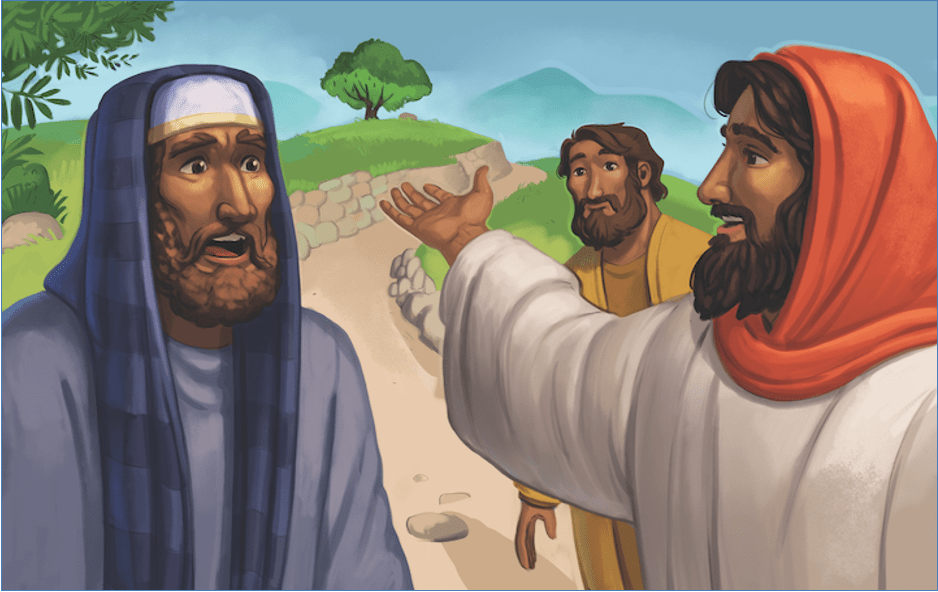
Jesus Was Tempted (Matthew 4; Luke 4)
Unit 19, Session 4

Dear families,

We’ve all felt some degree of hunger at one time or another. We may have had a long day at work with no time for lunch and come home hungry. We may have had a hard workout and found ourselves craving a large meal shortly afterward. We may have skipped breakfast in a hurry to get to church only to hear our stomach growl as the pastor shares that he’s wrapping up for the third time. Hunger reminds us that there is something we require to satisfy a physical need. 

Have you ever felt a similar sense of hunger deep in your soul, a hunger for God? Have you ever found yourself longing for a moment with God, an experience of His Spirit, a message from His Word? 

The temptation of Jesus teaches us how to face temptation ourselves, but it also subtly reminds us of the blessing that comes as we hunger for God. 

The first experience of temptation for Jesus came in the form of the enemy, Satan, tempting Him to use His power to turn stones into bread. Jesus’ response reminds us that feeding on God’s Word is the ultimate source of satisfaction. 

In our own lives, we may hunger for a million different things. We may deeply desire companionship, food, a feeling, money, a job, notoriety, and so on. Those things can all be very good things, but they are not what Jesus was referring to when He spoke to the tempter. 

Jesus spoke to the blessing that comes in hungering and thirsting for God Himself because, as is the case in all things Jesus said and did, He is God and knows what’s best. 

What do you long for above all else? Do you find a deep longing in your soul for God? Do you recognize that nothing else in this world will satisfy that desire? And are you satisfied with Him giving you Himself to meet your greatest need? Not only does the Scripture say that there is blessing in hungering for God, but your experience will also prove that nothing will satisfy you like He can and will.

Check out The Gospel Project At Home for resources designed to help you lead a family worship experience as well as suggestions for morning and evening prayer times and family activities.

FAMILY TALKING POINTS

CHRIST CONNECTION

This is the big idea of how this week’s Bible story points to Jesus.

  • Babies & Toddlers: Jesus always did the right thing. 
  • Younger Preschool: Jesus always did the right thing. When we want to make a wrong choice, we can ask Jesus to help us make the right choice. 
  • Older Preschool: The devil tried to get Jesus to sin, but Jesus never sinned. Jesus always did the right thing. Jesus died on the cross to rescue us from sin. When we are tempted to sin, we can ask Jesus to help us say no to sin. 
  • Kids: Jesus was tempted, but He trusted God and never sinned. Jesus is perfect and righteous. A perfect sacrifice was required to take away sin. Jesus was that perfect sacrifice. He died on the cross to free us from sin and to give us the power to say no to temptation. 

BIG PICTURE QUESTION & ANSWER

This is an important biblical truth that your child will encounter each week of this unit.

  • Younger Preschool: What did Jesus do to save us? Jesus died on the cross and rose from the dead. 
  • Older Preschool: What did Jesus do to save us? Jesus died on the cross and rose from the dead. 
  • Kids: What did Jesus do to save us? Jesus lived a sinless life, died on the cross, and rose from the dead. 

KEY PASSAGE

This is a Bible verse that relates to what your child will encounter each week of this unit.

  • Babies & Toddlers: Jesus takes away the sin of the world. John 1:29
  • Younger Preschool: Jesus takes away the sin of the world. John 1:29
  • Older Preschool: John saw Jesus coming toward him and said, “Look, the Lamb of God, who takes away the sin of the world!” John 1:29
  • Kids: John saw Jesus coming toward him and said, “Look, the Lamb of God, who takes away the sin of the world!” John 1:29

** Next week: Jesus Called His Disciples (John 1)

June 25

Unit 19, Session 3
Jesus Was Baptized (Matthew 3; Mark 1)

Dear families,

What gives you hope? It seems like a simple question, and most of us who regularly attend church likely know the “right” answer to the question. However, it’s the most important question for every person who has ever lived because your answer will determine your security and eternity. Unlike the hope the world has to offer, we can have a sure and steadfast hope that will never fail. 

In the Gospel accounts of Jesus’ baptism, we see John the Baptist offer words of warning that lead us back to the question, what gives you hope? 

John warned the Pharisees sternly that no family, tradition, or outward practice is sufficient to save people from the wrath of God due to them for their sin. People are saved only by the grace of God received through faith and repentance. 

The same is true today. Though we may be tempted to find our hope in the faith journey of our parents, grandparents, or even children, those experiences are not sufficient to save. Though it is a gift to have family members who have placed their faith in Christ, our hope does not come from them. 

Similarly, no tradition is sufficient to save either. Though we may uphold the traditions and practices—baptism, the Lord’s Supper, prayer, and so forth—those practices alone are not able to save from sin and secure eternity with God. 

John the Baptist made it clear that the faith that leads to repentance brings the certainty of salvation. The larger context of the New Testament reminds us that this repentance is always paired with genuine faith. When these are present, the believer will bear the fruit of the Spirit. 

What gives you hope? The only true answer is that we must put our hope in Jesus. Only faith in His finished work on the cross rescues us from sin and death, empowers us to live for Him, and promises us life with God forever.

Check out The Gospel Project At Home for resources designed to help you lead a family worship experience as well as suggestions for morning and evening prayer times and family activities.

FAMILY TALKING POINTS

CHRIST CONNECTION

This is the big idea of how this week’s Bible story points to Jesus.

  • Babies & Toddlers: People are baptized to show they follow Jesus. 
  • Younger Preschool: Baptism reminds us that Jesus died and came back to life. People are baptized to show they follow Jesus. 
  • Older Preschool: Jesus never did anything wrong, but He was baptized like sinners are baptized. Baptism reminds us that Jesus died and came back to life. People who know and love Jesus are baptized to show they are following Jesus. 
  • Kids: Jesus never sinned, but He obeyed God and was baptized like sinners are baptized. Baptism reminds us of Jesus’ death and resurrection. It reminds us that when we trust in Jesus, we turn from sin and start a new life—a life lived for Jesus. 

BIG PICTURE QUESTION & ANSWER

This is an important biblical truth that your child will encounter each week of this unit.

  • Younger Preschool: What did Jesus do to save us? Jesus died on the cross and rose from the dead. 
  • Older Preschool: What did Jesus do to save us? Jesus died on the cross and rose from the dead. 
  • Kids: What did Jesus do to save us? Jesus lived a sinless life, died on the cross, and rose from the dead. 

KEY PASSAGE

This is a Bible verse that relates to what your child will encounter each week of this unit.

  • Babies & Toddlers: Jesus takes away the sin of the world. John 1:29
  • Younger Preschool: Jesus takes away the sin of the world. John 1:29
  • Older Preschool: John saw Jesus coming toward him and said, “Look, the Lamb of God, who takes away the sin of the world!” John 1:29
  • Kids: John saw Jesus coming toward him and said, “Look, the Lamb of God, who takes away the sin of the world!” John 1:29

** Next week: Jesus Was Tempted (Matthew 4; Luke 4)

June 18

 Jesus Was Dedicated (Matthew 2; Luke 2) 
Unit 19, Session 2

Dear families,

As the narrative of Jesus’ early days on earth unfolded, several unique people are introduced who teach us lessons about our own journey. We find the wise men who sought Jesus with persistence, Herod whose power was threatened by this newborn King, and others such as Simeon and Anna—both who demonstrated a remarkable devotion to the Lord. 

In Luke 2, Simeon and Anna are described as people who are deeply committed, faithful, and devout followers of God. Simeon is described as one who was old in years—near death—and desperately waiting for the Messiah to come. So, you can imagine the significance of that moment as Simeon saw the Christ child and rejoiced. 

Anna, also old in years, had been faithfully worshiping God through fasting and prayer in the temple for 84 years. It is easy to imagine the joy she had upon seeing Jesus in the temple and her eager desire to tell everyone about this glorious child. 

Both Simeon and Anna came upon the incredible blessing of seeing, celebrating, and worshiping Jesus because of their faithfulness to the Lord. Both were in the place the Lord wanted them to be, faithful to God over the years, and daily looking for the Lord in everything they did. 

Imagine if your daily decisions were influenced by similar factors. You were deeply committed to being in the places God wanted you to be, you were seeking to be faithful over the decades, and in all that you did you were pursuing what the Lord might have for you. What would have to change in your life, in your motivations, and in your decisions to make this true of you? In what ways would you see and experience the blessings of God’s good gifts even more? 

Faithfulness like that of Simeon and Anna doesn’t earn any additional degree of salvation before God. But it can produce more opportunities to see the work of God in your life, even if it’s only because you’re more attuned. What a blessing that would be for each of us as well.

Check out The Gospel Project At Home for resources designed to help you lead a family worship experience as well as suggestions for morning and evening prayer times and family activities.

FAMILY TALKING POINTS

CHRIST CONNECTION

This is the big idea of how this week’s Bible story points to Jesus.

  • Babies & Toddlers: We can tell others the good news about Jesus. 
  • Younger Preschool: We can trust Jesus to save us from our sins, and we can tell others about Jesus. 
  • Older Preschool: God had promised His people that a Savior was coming. When Simeon and Anna saw Jesus, they knew He was the Savior. Jesus came to save people from sin. We can trust Jesus to save us from our sins; and like Simeon and Anna, we get to tell others the good news. 
  • Kids: Throughout the Old Testament, God promised the arrival of a King who would redeem people. When Jesus arrived, Simeon and Anna knew He was the promised Messiah, God’s own Son. We can trust Jesus for our salvation, and like Simeon and Anna, we should share the good news. 

BIG PICTURE QUESTION & ANSWER

This is an important biblical truth that your child will encounter each week of this unit.

  • Younger Preschool: What did Jesus do to save us? Jesus died on the cross and rose from the dead. 
  • Older Preschool: What did Jesus do to save us? Jesus died on the cross and rose from the dead. 
  • Kids: What did Jesus do to save us? Jesus lived a sinless life, died on the cross, and rose from the dead. 

KEY PASSAGE

This is a Bible verse that relates to what your child will encounter each week of this unit.

  • Babies & Toddlers: Jesus takes away the sin of the world. John 1:29
  • Younger Preschool: Jesus takes away the sin of the world. John 1:29
  • Older Preschool: John saw Jesus coming toward him and said, “Look, the Lamb of God, who takes away the sin of the world!” John 1:29
  • Kids: John saw Jesus coming toward him and said, “Look, the Lamb of God, who takes away the sin of the world!” John 1:29

** Next week: Jesus Was Baptized (Matthew 3; Mark 1)

June 11

Unit 19, Session 1
Jesus Was Born (Matthew 1; Luke 2; John 1)

Dear families,

How many times have you read or heard the narrative of Jesus’ birth? When interacting with a familiar Bible story, it is easy to simply skim over it and assume we understand all there is to know about it. Rather than taking that approach, spend time this week meditating on Luke 2:1-20. 

The detailed account of His conception and birth, as well as the details between those two events provide the believer with a gift of God’s grace that is far too important to gloss over. This event preceding Jesus’ ministry, death, and resurrection lays the foundation for a close and thoughtful study of the Gospels. 

The details around the conception and birth of Jesus provide reason for amazement and strengthen our faith. Consider the detail of Mary having been a virgin, fulfilling the prophecy of Isaiah 7:14. Jesus was born in the small town of Bethlehem, fulfilling the prophecy of Micah 5:2. He was born into the family line of Abraham, Isaac, and Jacob—fulfilling God’s promises in Genesis 12:3; 17:19; 28:14. 

All of this ought to cultivate a sense of wonder at the divine intervening in the human world, and an amazement at the detail to which God worked out His plan. 

Additionally, recalling the details of Jesus’ birth ought to generate affirmation in the believer’s heart and mind. The uniqueness surrounding the birth of Jesus affirms His claims of being the Son of God. 

Finally, the birth narrative should grow the anticipation of the believer. At the end of the New Testament, the book of Revelation sheds light on the end of sin and death, the final judgment of the living and the dead, and the new heaven and the new earth. These promises can seem distant or unlikely; however, the joy and gratitude that comes from understanding Jesus’ birth narrative can cultivate confidence in and anticipation of the future promises of Jesus. 

Luke 2 invites us to behold our God, who—out of His great love for us—“emptied himself by assuming the form of a servant, taking on the likeness of humanity” (Phil. 2:7). Jesus came to earth to rescue sinners. The angels’ announcement to the shepherds in Luke 2:10 is also for us and for the nations: “Don’t be afraid, for look, I proclaim to you good news of great joy that will be for all the people.”

Check out The Gospel Project At Home for resources designed to help you lead a family worship experience as well as suggestions for morning and evening prayer times and family activities.

FAMILY TALKING POINTS

CHRIST CONNECTION

This is the big idea of how this week’s Bible story points to Jesus.

  • Babies & Toddlers: Jesus came into the world to rescue us from sin. 
  • Younger Preschool: Jesus was born! This was very good news! Jesus came into the world to rescue us from sin. 
  • Older Preschool: Jesus was born! This was very good news! Jesus was not like other babies. Jesus is God’s Son. God sent Jesus to earth from heaven. Jesus came into the world to rescue people from their sins. 
  • Kids: The birth of Jesus was good news! Jesus was not an ordinary baby. He is God’s Son, sent to earth from heaven. Jesus, the promised Savior, came into the world to show us what God is like and to deliver us from sin and death. 

BIG PICTURE QUESTION & ANSWER

This is an important biblical truth that your child will encounter each week of this unit.

  • Younger Preschool: What did Jesus do to save us? Jesus died on the cross and rose from the dead. 
  • Older Preschool: What did Jesus do to save us? Jesus died on the cross and rose from the dead. 
  • Kids: What did Jesus do to save us? Jesus lived a sinless life, died on the cross, and rose from the dead. 

KEY PASSAGE

This is a Bible verse that relates to what your child will encounter each week of this unit.

  • Babies & Toddlers: Jesus takes away the sin of the world. John 1:29
  • Younger Preschool: Jesus takes away the sin of the world. John 1:29
  • Older Preschool: John saw Jesus coming toward him and said, “Look, the Lamb of God, who takes away the sin of the world!” John 1:29
  • Kids: John saw Jesus coming toward him and said, “Look, the Lamb of God, who takes away the sin of the world!” John 1:29

** Next week: Jesus Was Dedicated (Matthew 2; Luke 2) 

Unit 19:  Preparing for Ministry

Unit Description: Jesus, the long-promised Messiah, had finally arrived, but in a rather unexpected way. From the start, though, every detail of Jesus’ life was to reveal and advance His mission of being the sacrifice for the sins of the world. 

Preschool Big Picture Question: What did Jesus do to save us? Jesus died on the cross and rose from the dead. 

Key Passage: The next day he saw Jesus coming toward him, and said, “Behold,the Lamb of God, who takes away the sin of the world! John 1:29
Key Passage Phrase: Jesus takes away the sin of the world. John 1:29

Weekly Schedule
June 11: Jesus Was Born Matthew 1; Luke 2; John 1
June 18: Jesus Was Dedicated Matthew 2; Luke 2
June 25: Jesus Was Baptized Matthew 3; Mark 1
July 2: Jesus Was Tempted Matthew 4; Luke 4
July 16: Jesus Called His Disciples John 1
July 23: Jesus Came to Be the Sacrifice for Sin Hebrews 10 

Unit 19 Key Passage Song:

Unit 19 Family Worship Guides:

June 4

Unit 18, Session 5

We Should Be Sorry for Sin (Romans 8)

Dear families,

Coming face-to-face with sin in our lives often leads to one of two responses: It may lead to feelings of guilt and shame that cause us to either run and hide or to simply stop trying and give ourselves over to a particular pattern of sin, or it may lead to a place of genuine confession and repentance followed by a deep trust in the power of God to help us walk in freedom.

Romans 8 provides for us a warning against living according to the flesh, but it also declares a promise that we can cling to in our battle against sin.

Romans 8:8-9 says, “Those who are in the flesh cannot please God. You, however, are not in the flesh, but in the Spirit, if indeed the Spirit of God lives in you. If anyone does not have the Spirit of Christ, he does not belong to him.”

These verses give surprising hope to the believer battling sin in his or her own life. The hope comes in the form of the Spirit of God, alive and present in the follower of Christ.

What help is this in our battle against sin? It is everything! The promise of the Spirit of God living in a believer offers hope by way of the power of God—powerful enough to defeat the devil and raise Jesus from the dead—is alive and working to fight sin in our lives.

Paul goes a step further, too. Not only is the Spirit of God at work in the heart of the believer allowing, us to battle against sin, but the Spirit works in such a way that we can actually please God.

We can have hope in our battle against sin because the Lord has given us Himself in such a way that by His power at work in us, we can battle against sin and live a life pleasing to Him. “And if the Spirit of him who raised Jesus from the dead lives in you, then he who raised Christ from the dead will also bring your mortal bodies to life through his Spirit who lives in you” (Romans 8:11).

Check out The Gospel Project At Home for resources designed to help you lead a family worship experience as well as suggestions for morning and evening prayer times and family activities.

FAMILY TALKING POINTS

CHRIST CONNECTION

This is the big idea of how this week’s Bible story points to Jesus.

  • Babies & Toddlers: Because Jesus died and rose again, we have forgiveness of sins and life with God forever when we trust in Him.
  • Younger Preschool: Because Jesus died and rose again, we have forgiveness of sins and life with God forever when we trust in Him.
  • Older Preschool: Because Jesus died and came back to life, we have forgiveness of sins and life with God forever when we trust in Him. God gives us His Spirit so we can become more like Jesus.
  • Kids: God sent Jesus to take the punishment our sin deserves. Because of Jesus, we have forgiveness of sins and eternal life. Through God’s Spirit, we have the power to turn away from sin and live to bring glory to God.

BIG PICTURE QUESTION & ANSWER

This is an important biblical truth that your child will encounter each week of this unit.

  • Younger Preschool: How should we feel when we make wrong choices? When we make wrong choices, we should feel sorry that we have disobeyed God and want to obey Him.
  • Older Preschool: How should we feel when we sin? When we sin, we should feel sorry that we have disobeyed God and choose to obey Him.
  • Kids: How should we feel when we sin? When we sin, we should feel sorry that we have disobeyed God and want to turn from our sin because we love Him.

KEY PASSAGE

This is a Bible verse that relates to what your child will encounter each week of this unit.

  • Babies & Toddlers: We should feel sorry when we disobey God. 2 Corinthians 7:10
  • Younger Preschool: We should feel sorry when we disobey God and want to obey Him. 2 Corinthians 7:10
  • Older Preschool: Godly grief produces a repentance that leads to salvation without regret. 2 Corinthians 7:10
  • Kids: For godly grief produces a repentance that leads to salvation without regret, but worldly grief produces death. 2 Corinthians 7:10

** Next week: Jesus Was Born (Matthew 1; Luke 2; John 1)

May 21

The People Promised to Be Faithful (Nehemiah 9–10)

Dear families,

What comes to mind when you think about confession? Do you think of sadness? Weeping and guilt? Shame and failure? What about worship?

When was the last time you came before God in true confession? What led to your admission of failure before a holy God?

The Bible is clear that “God’s kindness is intended to lead you to repentance” (Rom. 2:4). But what does the Bible say about what confession should look like? What does the Bible say should lead us to confession?

Nehemiah 9 gives insight in how to answer that question. The Israelites had gathered and were fasting and beginning to confess their sin when the priests chimed in with an appropriate pattern for how that confession ought to progress.

In this text, we discover that true confession of sin will never come before genuine recognition of the holiness of God. God’s people had promised to be faithful, but following their return from exile, the men of Israel intermarried with foreign women. Their were unfaithful to God, disobeying His commands. Yet God remained faithful.

The pattern of the priests is to first recognize, exclaim, and celebrate God’s goodness, faithfulness, holiness, and righteousness. Only out of those comes the reason for confession. For it is only when we see the majesty of the holy God that we see the weight of our sin and the punishment due to us as a result. Then, and only then, will we be drawn to the altar of honest confession before God. Yes, conviction must come, but it will only come when there is first an awareness of the greatness of God.

Set aside time to intentionally approach God to confess the sin in your life. Remember this pattern. That God wants your eyes fixed firmly on Him, even in moments of reflection and confession. For the moment we lose sight of Him is the moment we lose sight of the sinfulness of our sin, which is the moment before we lose sight of the necessity of confession.

Check out The Gospel Project At Home for resources designed to help you lead a family worship experience as well as suggestions for morning and evening prayer times and family activities.

FAMILY TALKING POINTS

CHRIST CONNECTION

This is the big idea of how this week’s Bible story points to Jesus.

  • Babies & Toddlers: God does what is right even when His people do what is wrong. We have God’s kindness and love through Jesus, who died on the cross for our sins.
  • Younger Preschool: God has always done what is right even when His people have done what is wrong. We have God’s kindness and love through Jesus, who died on the cross so we can have life with God forever.
  • Older Preschool: God’s people remembered all He had done and promised to be faithful. God is kind and loving. God has always done what is right even when His people have done what is wrong. We have God’s kindness and love through Jesus, who died on the cross so we can have life with God forever.
  • Kids: God’s people remembered all He had done and promised to be faithful. God is gracious and compassionate. All along, God has been faithful to people who are unfaithful. We experience God’s grace and compassion in Jesus, who gave His life so we can receive mercy and life forever.

BIG PICTURE QUESTION & ANSWER

This is an important biblical truth that your child will encounter each week of this unit.

  • Younger Preschool: How should we feel when we make wrong choices? When we make wrong choices, we should feel sorry that we have disobeyed God and want to obey Him.
  • Older Preschool: How should we feel when we sin? When we sin, we should feel sorry that we have disobeyed God and choose to obey Him.
  • Kids: How should we feel when we sin? When we sin, we should feel sorry that we have disobeyed God and want to turn from our sin because we love Him.

KEY PASSAGE

This is a Bible verse that relates to what your child will encounter each week of this unit.

  • Babies & Toddlers: We should feel sorry when we disobey God. 2 Corinthians 7:10
  • Younger Preschool: We should feel sorry when we disobey God and want to obey Him. 2 Corinthians 7:10
  • Older Preschool: Godly grief produces a repentance that leads to salvation without regret. 2 Corinthians 7:10
  • Kids: For godly grief produces a repentance that leads to salvation without regret, but worldly grief produces death. 2 Corinthians 7:10

** Next week: We Should Be Sorry for Sin (Romans 8)

May 14

Ezra Read the Law (Ezra 7–10; Nehemiah 8)

Dear families,

Find 1 John 1:9 in your Bible and read it slowly two or three times. Many Christians are familiar with these words; perhaps you have them memorized. We agree that God wants us to confess our sins to Him. We believe that God is faithful to forgive His children by the blood of Jesus. But do you find it easy to confess your sin to God? If not, why? Do you believe the lie that keeping quiet about our sin will prevent God from knowing about it?

In Ezra 9, leaders approached Ezra and declared to him the grim reality of the people of Israel who were caught up in devious behavior and lifestyles. Following the second return of exiles to Jerusalem, the men of Israel began to intermarry with foreign women again. It was as if they had completely forgotten God. Ezra’s response of honest confession before a holy God ought to teach us something about his character and about our need to do likewise.

First, Ezra stood before God and the faithful of Israel, and he cried out before the Lord. Ezra didn’t point fingers as he went before God. He didn’t shift the blame or use the chance to gossip about others in his community. Ezra did precisely what we see later recorded in 1 John 1:9: he confessed his sin to God.

Ezra truly believed that it was right to bring his sin and the sin of his community before God, to lay it all out before the Lord and to seek God’s forgiveness by faith and repentance. And not only did Ezra see the good of confession, he found reason to celebrate as he did. 

Read Ezra 9:13. Ezra recognized the necessity of confession and then celebrated that God’s grace was still enough, still active, and still effective toward His people.

Ezra took his sin seriously and confessed it before a holy God. And Ezra confessed with hope that the God he had sinned against, had been gracious and would continue to be so. 

When we bring our sin before God, let us do so with humility rooted in our deep need for God and confidence grounded in our understanding of His amazing grace.

Check out The Gospel Project At Home for resources designed to help you lead a family worship experience as well as suggestions for morning and evening prayer times and family activities.

FAMILY TALKING POINTS

CHRIST CONNECTION

This is the big idea of how this week’s Bible story points to Jesus.

  • Babies & Toddlers: The Bible helps us know the right things to do. We do wrong things, but God can help us want to obey Him. Jesus died to rescue us from sin.
  • Younger Preschool: The Bible teaches us about God and Jesus. It helps us know the right things to do. We do wrong things, but God can help us want to obey Him. Jesus died to rescue us from sin.
  • Older Preschool: The Bible teaches us about God and Jesus. It helps us know the right things to do. We do wrong things a lot, but God can change our hearts and help us say no to sin. Jesus died to rescue us from sin.
  • Kids: God’s Word is powerful. When Ezra read God’s Word, the people loved God more and changed their ways. The Bible says that Jesus is “the Word.” Jesus is God who came to live with people on earth. Jesus has the power to change our hearts.

BIG PICTURE QUESTION & ANSWER

This is an important biblical truth that your child will encounter each week of this unit.

  • Younger Preschool: How should we feel when we make wrong choices? When we make wrong choices, we should feel sorry that we have disobeyed God and want to obey Him.
  • Older Preschool: How should we feel when we sin? When we sin, we should feel sorry that we have disobeyed God and choose to obey Him.
  • Kids: How should we feel when we sin? When we sin, we should feel sorry that we have disobeyed God and want to turn from our sin because we love Him.

KEY PASSAGE

This is a Bible verse that relates to what your child will encounter each week of this unit.

  • Babies & Toddlers: We should feel sorry when we disobey God. 2 Corinthians 7:10
  • Younger Preschool: We should feel sorry when we disobey God and want to obey Him. 2 Corinthians 7:10
  • Older Preschool: Godly grief produces a repentance that leads to salvation without regret. 2 Corinthians 7:10
  • Kids: For godly grief produces a repentance that leads to salvation without regret, but worldly grief produces death. 2 Corinthians 7:10

** Next week: The People Promised to Be Faithful (Nehemiah 9–10)

May 7

Nehemiah Rebuilt the Walls (Nehemiah 1–7)

Dear families,

Recall the last time you were faced with devastating news or found yourself filled with angst, worry, or fear. How did you respond?

Anger and bitterness are common reactions to bad news. We may feel tempted to isolate ourselves from others. Grief is complex, and responses vary greatly. However, according to the Bible, Nehemiah’s response is the best response.

Read about Nehemiah’s general response in Nehemiah 1:4. Then in Nehemiah 1:5-11, we discover the specific way that Nehemiah prayed in response to this devastating news. He recognized God’s faithfulness, requested God’s ear, confessed sin, and committed his people to the Lord’s care.

Nehemiah began his prayer with a recognition of the faithfulness of God. He indicated his confidence that God had been and would continue to be faithful. He then requested God’s ear. Though Nehemiah was confident that God heard him, he opened and closed his prayer of dependence by begging God to listen to his request. 

Why did Nehemiah pray this way? Likely, he was further demonstrating his deep conviction that God and God alone is able to work in such a way that would bring about restoration.

Nehemiah’s prayer also demonstrates his belief that sin has serious consequences. He confessed his own sin and the sin of his family, recognizing that God was fully aware of their sin, but also that this sin was not to be taken lightly and needed to be dealt with.

Finally, he committed his family—the Jewish people—into the hands of this faithful and just God. He trusted God to be faithful to His word and His people. Though Nehemiah didn’t know what the outcome would be, he was confident in his God, that He would remain faithful no matter what.

Nehemiah’s response demonstrated a deep love, trust, and confidence in God that is exemplary for each of us. When we face moments of devastation, we can—with deep dependence—turn to God and find comfort.

Check out The Gospel Project At Home for resources designed to help you lead a family worship experience as well as suggestions for morning and evening prayer times and family activities.

FAMILY TALKING POINTS

CHRIST CONNECTION

This is the big idea of how this week’s Bible story points to Jesus.

  • Babies & Toddlers: Nehemiah helped God’s people rebuild the walls around their city. The walls protected the people from their enemies. Jesus protects us from our enemies.
  • Younger Preschool: Nehemiah helped God’s people fix the walls around their city. The walls protected the people from their enemies. Jesus protects us from our enemies.
  • Older Preschool: Nehemiah helped God’s people fix the walls around their city. The walls protected the people from their enemies. Jesus protects us from our enemies. When we know and love Jesus, He keeps us safe from sin and we will live with Him forever.
  • Kids: Nehemiah led the people to rebuild the walls around Jerusalem to protect them from their enemies. Jesus came to protect us from our greatest enemies, sin and death. He died on the cross and rose from the dead to rescue everyone who trusts in Him.

BIG PICTURE QUESTION & ANSWER

This is an important biblical truth that your child will encounter each week of this unit.

  • Younger Preschool: How should we feel when we make wrong choices? When we make wrong choices, we should feel sorry that we have disobeyed God and want to obey Him.
  • Older Preschool: How should we feel when we sin? When we sin, we should feel sorry that we have disobeyed God and choose to obey Him.
  • Kids: How should we feel when we sin? When we sin, we should feel sorry that we have disobeyed God and want to turn from our sin because we love Him.

KEY PASSAGE

This is a Bible verse that relates to what your child will encounter each week of this unit.

  • Babies & Toddlers: We should feel sorry when we disobey God. 2 Corinthians 7:10
  • Younger Preschool: We should feel sorry when we disobey God and want to obey Him. 2 Corinthians 7:10
  • Older Preschool: Godly grief produces a repentance that leads to salvation without regret. 2 Corinthians 7:10
  • Kids: For godly grief produces a repentance that leads to salvation without regret, but worldly grief produces death. 2 Corinthians 7:10

** Next week: Ezra Read the Law (Ezra 7–10; Nehemiah 8)

April 30

Esther Saved Her People (Esther)

Dear families,

You may never have said it aloud before, but there is a good chance that you have thought it: “If I just had ________ [fill in the blank with your greatest desire], then following Jesus would be so much easier.” What is your greatest desire? For some it may be money; for others, possessions; for others, power or a relationship or a feeling.

We live in a broken world and may often fantasize about what life would be like if our ideals came to pass. We may even hurt or mistreat others in pursuit of our dreams—to gain that which we believe has the greatest importance. But the reality is that even if we have all that we want, there is still a great temptation to desire more and continue seeking our own good at the expense of others.

This sinful reality is part of what makes the events in the Book of Esther so surprising. We observe Mordecai’s journey from faithful adoptive father of a young girl in a foreign land to his becoming the king’s right-hand man.

Mordecai was faithful. He was faithful to take in Esther, his cousin who was without father or mother. He was faithful to sit, wait, and watch every day at the gate of the king’s palace to see what God would do through this beautiful young woman. He was faithful to speak up with boldness and confidence, even at the threat of death. And he was faithful to lead beside the king in an honorable way seeking the flourishing of the kingdom.

Mordecai rose to a position of great power and authority. Many figures in power tend to forget their roots, turning to selfishness and unfaithfulness. Mordecai, however, did not. Read Esther 10:3.

In our temptation to seek our own pleasure, we must remember that our Savior, Jesus Christ, “did not come to be served, but to serve, and to give his life as a ransom for many” (Mark 10:45). In remembering the work of Christ, we find not only an example to follow but also the power to do the same.

Christ in us seeks the good of those around us. No matter how high or low our rank in the world, He is always good and always desires that we seek the good of those around us, for His glory.

Check out The Gospel Project At Home for resources designed to help you lead a family worship experience as well as suggestions for morning and evening prayer times and family activities.

FAMILY TALKING POINTS

CHRIST CONNECTION

This is the big idea of how this week’s Bible story points to Jesus.

  • Babies & Toddlers: God had a plan for Esther to rescue the Jews. God also had a plan for His Son, Jesus, to come into the world and rescue all people.
  • Younger Preschool: Haman’s evil plan could not stop God. God had a plan for Esther to rescue the Jews. By saving the Jews, God made the way for His Son, Jesus, to come into the world.
  • Older Preschool: God’s plan was to send the Messiah into the world through Abraham’s family. Haman’s evil plan could not stop God. God had a plan for Esther to rescue His people. By saving the Jews, God made the way for His Son, Jesus, to come into the world.
  • Kids: God was in control over Haman’s evil plan to destroy the Jews. Like Haman, Satan wants to ruin God’s plan and destroy believers. Satan thought he had won when Jesus died on the cross, but God raised Jesus from the dead and defeated Satan once and for all. All who believe in Jesus are rescued from sin and death.

BIG PICTURE QUESTION & ANSWER

This is an important biblical truth that your child will encounter each week of this unit.

  • Younger Preschool: How should we feel when we make wrong choices? When we make wrong choices, we should feel sorry that we have disobeyed God and want to obey Him.
  • Older Preschool: How should we feel when we sin? When we sin, we should feel sorry that we have disobeyed God and choose to obey Him.
  • Kids: How should we feel when we sin? When we sin, we should feel sorry that we have disobeyed God and want to turn from our sin because we love Him.

KEY PASSAGE

This is a Bible verse that relates to what your child will encounter each week of this unit.

  • Babies & Toddlers: We should feel sorry when we disobey God. 2 Corinthians 7:10
  • Younger Preschool: We should feel sorry when we disobey God and want to obey Him. 2 Corinthians 7:10
  • Older Preschool: Godly grief produces a repentance that leads to salvation without regret. 2 Corinthians 7:10
  • Kids: For godly grief produces a repentance that leads to salvation without regret, but worldly grief produces death. 2 Corinthians 7:10

** Next week: Nehemiah Rebuilt the Walls (Nehemiah 1–7)